Most people do not think about what happens after water disappears down the drain. Every shower, load of laundry, and flushed toilet sends wastewater away from the home through a system that works quietly behind the scenes. For homes that rely on septic systems, that wastewater flows into an underground tank that plays a crucial role in keeping the household running smoothly.
Because septic tanks are hidden underground, it is easy to forget about them until something goes wrong. Slow drains, unpleasant odors, or standing water in the yard can quickly turn attention toward the septic system. In many cases these problems occur because the tank has not been pumped for a long period of time. Septic Tank Pumping Madera is a routine maintenance service that removes accumulated waste from the tank. By performing this maintenance regularly, homeowners can prevent system failures, protect their property, and ensure that wastewater continues to be treated safely.
Understanding How a Septic Tank Works
A septic tank is a large underground container designed to receive wastewater from the home. When water flows through household drains, it travels through pipes and enters the tank where the treatment process begins.
Inside the tank, wastewater separates into different layers. Heavy solids settle at the bottom of the tank and form a thick layer known as sludge. Lighter materials such as grease and oils float to the top and create a layer known as scum. Between these layers is liquid wastewater that has begun to break down through natural bacterial activity.
The bacteria present in the tank play an important role in breaking down organic matter. As this process occurs, partially treated wastewater flows out of the tank through an outlet pipe and into the drain field.
The drain field allows the liquid to slowly filter through the surrounding soil, which removes additional contaminants before the water reenters the environment. This process continues each day as long as the septic system is maintained properly.
Why Septic Tank Pumping Is Necessary
While bacteria inside the tank help break down organic waste, they cannot eliminate all solids. Over time the sludge and scum layers gradually grow thicker as more wastewater enters the system.
If these layers become too large, they begin to interfere with the normal operation of the tank. When the sludge level rises too high, solid waste may begin flowing out of the tank along with the liquid wastewater.
Once solids reach the drain field, they can clog the soil and restrict the ability of wastewater to filter properly. This can cause wastewater to back up into the home or create soggy areas in the yard.
Septic tank pumping removes the accumulated sludge and scum before they reach this critical point. By clearing out the tank, pumping restores the proper space needed for wastewater separation and treatment.
Regular pumping ensures that the septic system continues to operate efficiently and prevents serious damage to the drain field.
Signs That a Septic Tank Needs Pumping
Because septic tanks are buried underground, many homeowners may not realize that the tank is reaching its capacity. However, certain warning signs can indicate that pumping may be needed.
Slow draining sinks, tubs, and toilets are often one of the earliest signs of a full septic tank. When the tank is overloaded, wastewater may move through the system more slowly than usual.
Unpleasant odors around household drains or outside near the septic tank area may also indicate that the tank needs attention. These odors can occur when gases escape due to excessive waste buildup.
Another common sign is wet or unusually green patches of grass near the drain field. When wastewater cannot move through the system properly, moisture may rise to the surface.
In more serious cases, wastewater may back up into sinks, tubs, or floor drains inside the home. When this occurs, immediate septic service is necessary to prevent further damage.
Recognizing these signs early can help homeowners schedule pumping before more severe problems develop.
The Septic Tank Pumping Process
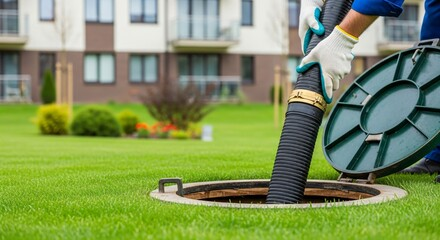
Septic tank pumping involves removing the accumulated waste materials from the tank using specialized equipment. The process begins by locating the septic tank and opening the access lid.
Once the tank is opened, the technician inspects the interior to evaluate the levels of sludge and scum. This inspection helps determine how much waste has accumulated and whether any structural issues are present.
A vacuum hose connected to a pumping truck is then inserted into the tank. The equipment removes the sludge, scum, and liquid waste from the tank and transfers it to a holding container for safe disposal.
During pumping, the technician may also rinse parts of the tank to remove stubborn debris. This helps ensure that the tank is thoroughly cleaned and ready to resume normal operation.
After the tank has been emptied, the lid is securely closed and the system is returned to service.
How Often Septic Tanks Should Be Pumped
The recommended frequency for septic tank pumping depends on several factors related to household usage and tank size. Larger tanks can hold more wastewater and may require pumping less often than smaller tanks.
Household size is another important factor. Homes with more occupants generate more wastewater each day, which can cause the tank to fill more quickly.
Water usage habits also influence pumping schedules. Frequent use of washing machines, dishwashers, and long showers can increase the volume of wastewater entering the system.
In general, many septic systems benefit from pumping every few years, though the exact timing varies from one home to another. Regular inspections can help determine when pumping is needed based on the current sludge levels.
Maintaining a consistent pumping schedule helps prevent waste accumulation from reaching dangerous levels.
Protecting the Drain Field Through Regular Pumping
The drain field is one of the most important components of the septic system. After wastewater leaves the tank, it flows into the drain field where the soil filters and treats the liquid.
If solids escape the septic tank due to excessive buildup, they can clog the soil in the drain field. Once the soil becomes blocked, wastewater can no longer drain properly.
Repairing a damaged drain field can be complicated and expensive. In some cases the entire drain field may need to be replaced if the soil becomes severely contaminated.
Regular septic tank pumping protects the drain field by ensuring that solids remain inside the tank where they can be safely removed.
By maintaining proper tank capacity, homeowners help preserve the health and longevity of the entire septic system.
Long Term Benefits of Septic Tank Pumping
Routine septic tank pumping offers several benefits that extend beyond immediate system performance. One of the most important advantages is preventing unexpected system failures.
A well maintained septic system operates quietly and efficiently without causing drainage issues or unpleasant odors. Regular pumping reduces the likelihood of emergencies that may require costly repairs.
Another benefit is environmental protection. Properly functioning septic systems prevent untreated wastewater from contaminating soil and nearby water sources.
Pumping also helps maintain the structural integrity of the septic tank. Removing excess waste reduces internal pressure and helps the tank continue functioning as designed.
By committing to regular septic maintenance, homeowners can ensure that their wastewater systems remain reliable and safe.
Conclusion
Septic tank pumping is an essential part of maintaining a healthy and efficient septic system. Although the tank operates underground and often goes unnoticed, it plays a vital role in managing household wastewater.
Over time solid waste accumulates inside the tank and must be removed to prevent damage to the system. Regular pumping ensures that wastewater continues to flow smoothly and that the drain field remains protected from contamination.
By understanding how septic tanks work and recognizing the importance of routine maintenance, homeowners can take proactive steps to protect their property. With proper care and regular pumping, a septic system can continue providing reliable wastewater treatment for many years.