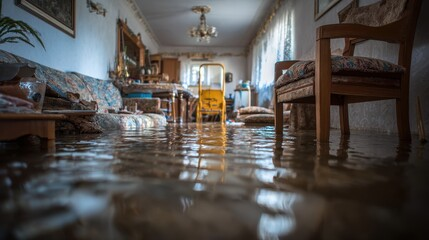
Water damage is one of the most urgent property emergencies a homeowner can face. Whether caused by a burst pipe, flooding, appliance failure, roof leak, or sewage backup, water can spread rapidly and cause escalating damage within minutes. Unlike many other home issues, water does not stay confined to one area. It seeps into floors, walls, insulation, furniture, and structural components, often affecting areas that are not immediately visible.
What makes water damage especially dangerous is how quickly it worsens. In the first few hours, materials begin absorbing moisture. Wood swells, drywall weakens, and electrical systems may become unsafe. Within one to two days, mold growth can begin, creating health risks and complicating restoration. Because of this rapid progression, water damage is considered an emergency that requires immediate action. Understanding the urgency helps homeowners respond decisively. Knowing what to do first can significantly reduce damage, protect health, and lower overall restoration costs. For more details, contact All Pro Services today.
Prioritizing Safety Before Anything Else
The very first step in any water damage emergency is ensuring personal safety. Water and electricity are a dangerous combination, and flooded areas can pose serious risks. Before entering the affected space, it is important to assess whether it is safe to do so.
If water is near electrical outlets, appliances, or wiring, power to the affected area should be shut off immediately if it can be done safely. Standing water may also hide sharp objects, debris, or structural damage that increases the risk of injury. In cases involving sewage or contaminated water, direct contact should be avoided due to health hazards.
Safety also includes considering the stability of the structure. Saturated ceilings or walls may be at risk of collapse, especially after heavy flooding. If there is any concern about structural integrity, it is best to wait for professionals to assess the situation. Protecting people always comes before protecting property.
Stopping the Source of Water Damage
Once safety is addressed, the next critical step is stopping the source of the water. Ongoing water intrusion will continue to cause damage no matter how quickly restoration begins. Identifying and stopping the source helps prevent further loss.
If the damage is caused by a plumbing issue such as a burst pipe or leaking appliance, shutting off the main water supply is often necessary. For roof leaks, temporary measures such as placing containers to catch water or covering exposed areas may help reduce additional damage until repairs can be made. In flooding situations caused by weather, water entry may not stop immediately, but steps can still be taken to limit exposure.
Stopping the water source as soon as possible significantly reduces the scope of damage and allows restoration efforts to be more effective. This step sets the stage for everything that follows.
Documenting the Damage Right Away
After the immediate threat is under control, documenting the damage becomes an important priority. Water damage situations are often covered by insurance, and thorough documentation can help support claims and speed up the process.
Photos and videos should be taken as soon as it is safe to do so. These should capture standing water, damaged materials, affected belongings, and visible water sources. It is helpful to document damage before any cleanup begins, as this provides a clear record of the initial condition.
Written notes describing what happened, when the damage was discovered, and which areas are affected can also be useful. This documentation serves as a reference for both restoration professionals and insurance adjusters. Taking time to document early can prevent disputes and delays later.
Removing Standing Water as Quickly as Possible
One of the most important early steps in emergency water damage restoration is removing standing water. The longer water sits, the more it spreads and the more damage it causes. Fast removal helps limit absorption into building materials and reduces the risk of mold growth.
In minor situations, homeowners may be able to remove small amounts of water using wet vacuums or pumps. However, in most emergencies, professional equipment is required to extract water efficiently and thoroughly. Restoration professionals use powerful pumps and extraction tools designed to handle large volumes of water quickly.
Even after visible water is removed, moisture often remains trapped in floors, walls, and furniture. This hidden moisture must be addressed through proper drying methods, which makes professional assistance especially valuable in emergency situations.
Beginning the Drying Process Immediately
Drying is a critical step that should begin as soon as water removal starts. Removing water alone is not enough, as damp materials can continue to deteriorate and encourage mold growth. Drying focuses on eliminating moisture from both surfaces and the air.
Air circulation is key during this stage. Increasing airflow helps moisture evaporate from wet materials. Dehumidification removes excess moisture from the air, preventing it from settling back into walls and floors. Professional restoration teams use industrial air movers and dehumidifiers to create controlled drying environments.
Drying times vary depending on the extent of damage, materials involved, and environmental conditions. Rushing this stage or relying on household fans alone often results in incomplete drying. Thorough drying protects the structure and prepares the space for cleaning and repairs.
Preventing Mold Growth in the First 48 Hours
Mold prevention is one of the primary goals during the early stages of emergency water damage restoration. Mold can begin growing within 24 to 48 hours in moist conditions, especially in warm environments. Once mold takes hold, restoration becomes more complex and expensive.
Prompt water removal and drying are the most effective ways to prevent mold. In some cases, antimicrobial treatments may be applied to affected areas to further reduce risk. Removing wet materials that cannot be dried quickly, such as heavily saturated carpets or insulation, may also be necessary.
Understanding the importance of mold prevention helps homeowners appreciate why immediate action is so strongly emphasized in water damage emergencies. Addressing moisture early protects both property and health.
Deciding When to Call Water Damage Restoration Professionals
Knowing when to involve professionals is a crucial decision. While very small spills or minor leaks may be manageable, most water damage emergencies require professional restoration services. Large amounts of water, contaminated water, or damage affecting walls and flooring are clear signs that expert help is needed.
Professional restoration teams have specialized equipment to detect hidden moisture, dry structures thoroughly, and clean contaminated areas safely. They also understand how water behaves within buildings and can identify damage that may not be visible to the untrained eye.
Calling professionals early often reduces overall damage and cost. Delaying professional help can allow problems to worsen, leading to more extensive repairs and longer recovery times.
Handling Personal Belongings and Contents
During a water damage emergency, personal belongings are often affected along with the structure. Furniture, clothing, documents, and electronics may be at risk. While safety and water control come first, taking steps to protect valuables is also important.
Items that can be safely moved out of wet areas should be relocated to dry spaces. Wet fabrics and papers should be separated to prevent staining and deterioration. However, handling contaminated items requires caution, especially in cases involving sewage or floodwater.
Professional restoration services often include content cleaning and restoration. Acting quickly increases the chances that belongings can be saved. The first steps taken during the emergency can make a significant difference in what can be restored later.
Communicating With Insurance Providers Early
Contacting the insurance provider early in the process is another important step. Many insurance policies require prompt notification of water damage. Early communication helps clarify coverage, next steps, and documentation requirements.
Providing clear information about the cause and extent of damage helps the claims process move more smoothly. Insurance representatives may also recommend approved restoration providers or outline specific procedures that need to be followed.
Understanding insurance involvement early reduces stress and prevents unexpected complications later in the restoration process.
Avoiding Common Mistakes During Water Damage Emergencies
In the rush to respond, homeowners sometimes make mistakes that worsen the situation. Waiting too long to address water damage is one of the most common errors. Another is assuming that visible drying means the problem is resolved, while hidden moisture remains.
Using household cleaning methods on contaminated water can pose health risks. Attempting to dry structures without proper equipment often leads to incomplete results. These mistakes are usually made with good intentions but can increase damage and costs.
Knowing what not to do is just as important as knowing what to do first. In emergency situations, informed decisions lead to better outcomes.
The Role of Professional Restoration After the Initial Response
The initial emergency response focuses on stopping damage and stabilizing the situation. Professional restoration takes this further by fully drying, cleaning, sanitizing, and repairing the property. This phase ensures that the home is safe, structurally sound, and restored to its pre damage condition.
Professionals monitor moisture levels, address mold risks, and manage repairs efficiently. Their involvement ensures that no hidden issues are left behind. This comprehensive approach is what truly completes the restoration process.
Final Thoughts on What to Do First in Emergency Water Damage Restoration
Emergency water damage restoration is a time sensitive process where the first actions taken can significantly influence the outcome. Prioritizing safety, stopping the water source, documenting damage, and beginning water removal and drying are the most critical early steps. Acting quickly helps limit damage, reduce health risks, and lower restoration costs.
Understanding what to do first empowers homeowners to respond with confidence during a stressful situation. While emergencies are unpredictable, being prepared and knowing when to seek professional help makes recovery faster and more effective. With prompt action and proper restoration, even severe water damage can be successfully managed and repaired.